



Resilient Innovations in Crisis Management
Resilient Innovations in Crisis Management
Resilient innovations in crisis management focus on adaptive solutions that enhance organizational response during emergencies. Emphasizing flexibility and resourcefulness, these innovations foster cooperation among stakeholders, drive rapid problem-solving, and ensure continuity. They represent a paradigm shift in preparedness, turning challenges into opportunities for growth and community resilience.
FAQs
Related posts on our blog
Presentation Maker AI:Gamma vs Smallppt

Can Turnitin Detect AI in PowerPoint Presentations?

How Many Words Per Minute Should You Speak in a Speech?

How to Import SVG Files into Google Slides (Steps & Tips)
Can AI be Detected in a PowerPoint Presentation?

20 Funny Presentation Ideas
Related presentations
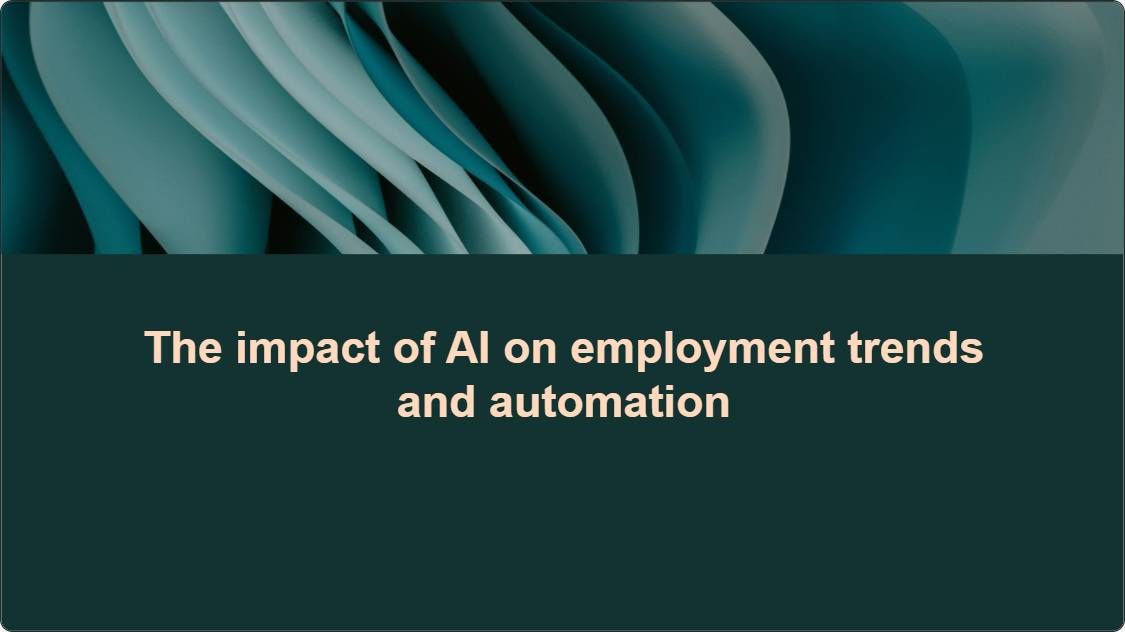
As industries rapidly advance, automation fueled by artificial intelligence (AI) is transforming the workforce landscape. This shift enhances efficiency, productivity, and precision in various sectors, while also raising concerns about job displacement and new skills requirements. Understanding these dynamics equips businesses and employees to navigate the evolving job market for a successful future.
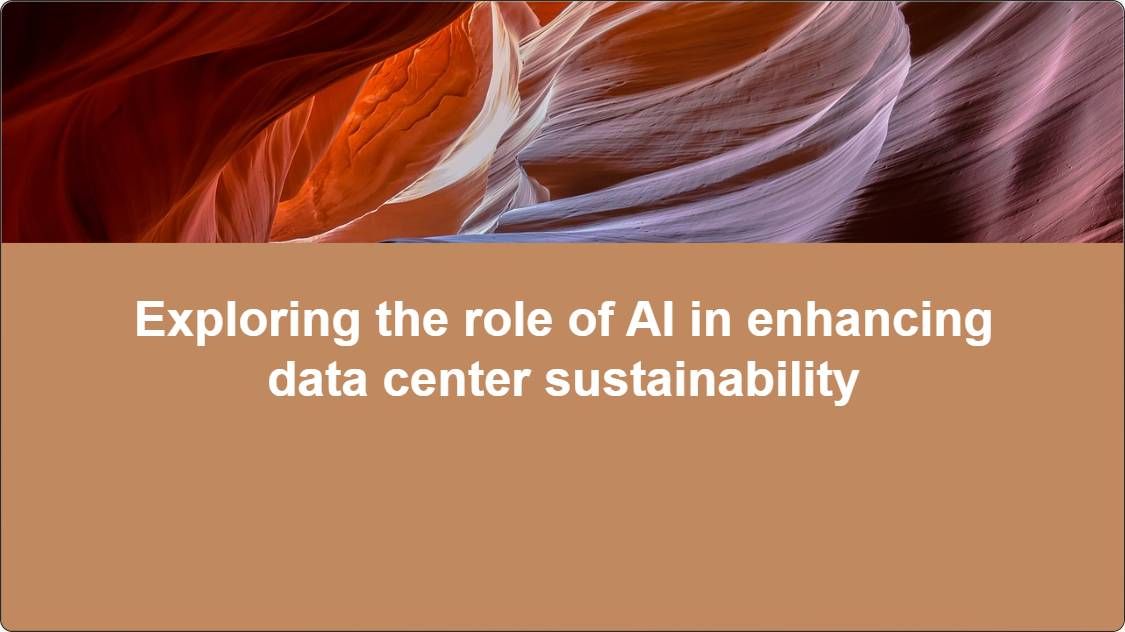
Artificial Intelligence (AI) investment significantly enhances data center efficiency and sustainability. By optimizing resource allocation and energy consumption, AI technologies enable data centers to operate more effectively while minimizing environmental impact. Key features include predictive maintenance, intelligent cooling systems, and automated workload management, all contributing to greener and more resilient infrastructures.
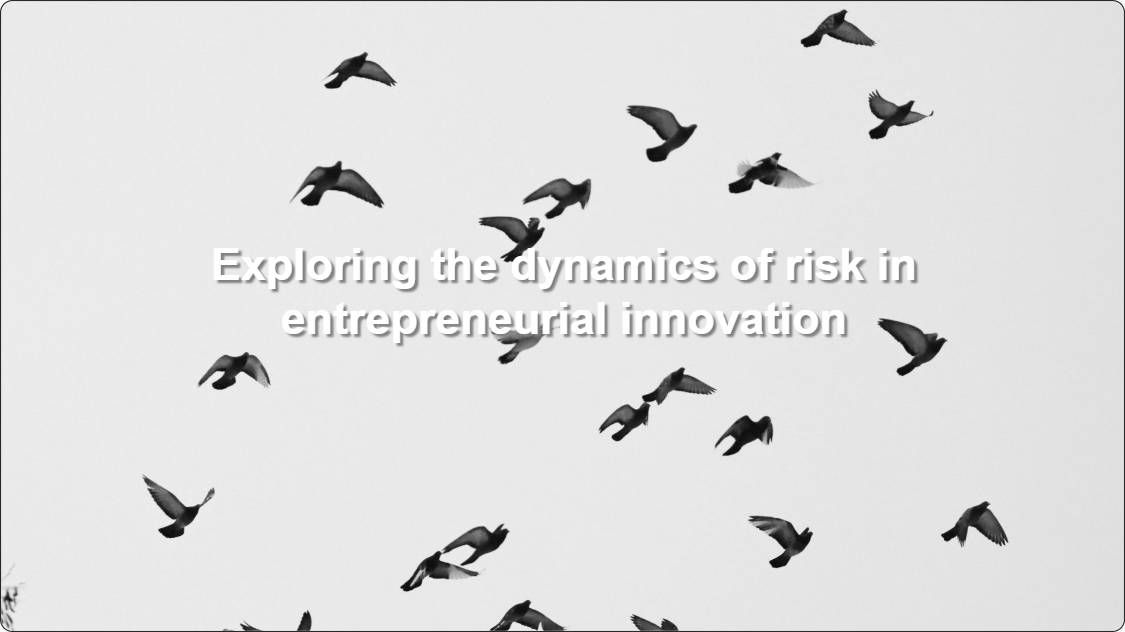
"Adventures in Uncertainty" explores how embracing risks is vital for innovation in entrepreneurship. By navigating unpredictability, entrepreneurs can uncover unique opportunities and drive societal change. This approach champions resilience and creativity, revealing that calculated risks often lead to groundbreaking ideas and successful ventures, thereby reshaping industries and economies.
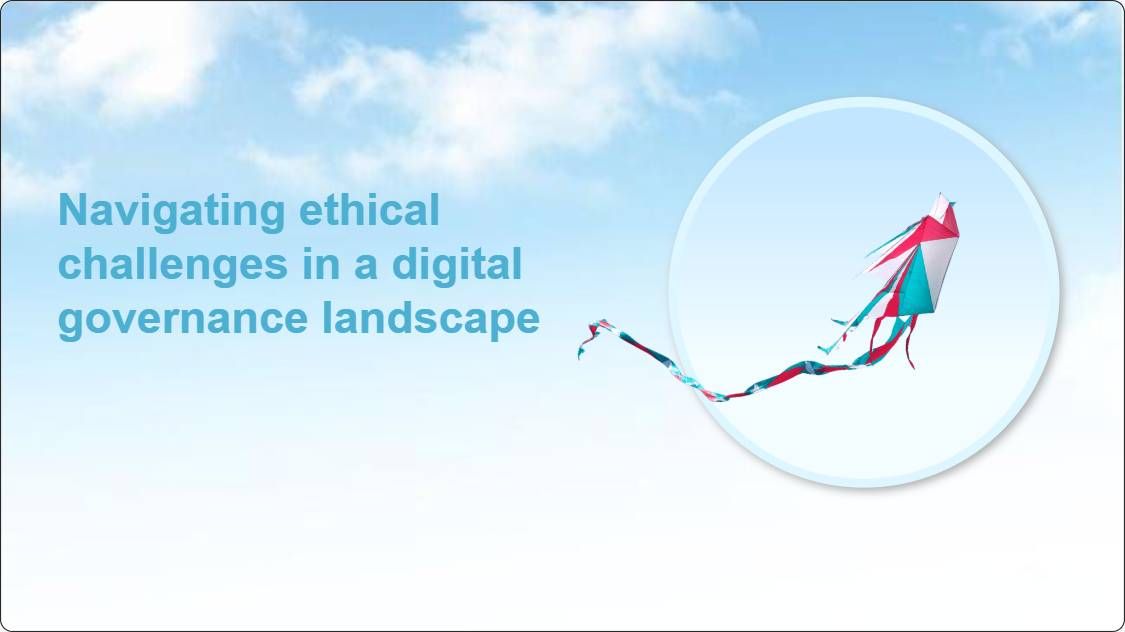
Ethical leadership in the age of digital governance emphasizes transparency, accountability, and social responsibility. As technology transforms decision-making processes, leaders must navigate complex moral dilemmas while fostering trust and inclusivity. This approach not only enhances organizational integrity but also promotes societal well-being in an increasingly interconnected world.
Show More
Make your ideas real
Real-time online editingGenerate slides in one minuteUnlimited access to a vast template libraryTurn ideas into stunning slides instantlySmart layouts, auto-designed for impactSave hours with AI-powered productivityYour content, beautifully presentedReal-time online editingGenerate slides in one minuteUnlimited access to a vast template libraryTurn ideas into stunning slides instantlySmart layouts, auto-designed for impactSave hours with AI-powered productivityYour content, beautifully presented
Free AI generation